
The Future of Manufacturing Engineering Is Collaborative
In many machine shops, engineering follows a predictable path: review the print, create the program, set up the job, and move on.
At Liberty Precision, we’ve taken that traditional model and redefined it. For us, engineering is a continuous effort to refine, optimize, and improve how parts are produced at every stage.
Here’s how that philosophy comes into play in our operations.
Continuous Improvement Is Built Into Our Processes
One of the most important shifts in our engineering mindset is simple: the process is never final.
Rather than treating programs as finished once they’re running, our team consistently looks for opportunities to improve. That includes refining tooling strategies, reducing cycle times, enhancing workflows, and simplifying setups for the shop floor.
Every project becomes an opportunity to ask:
Can we make this process more efficient?
Can we reduce variability and improve consistency?
Can we make it easier for machinists to execute?
This mindset allows us to continually raise the bar for performance and deliver stronger outcomes over time.
Breaking Down Silos Through Collaboration
Another major evolution at Liberty Precision is how our engineering team works together. Historically, engineering roles were often segmented by machine type or department.
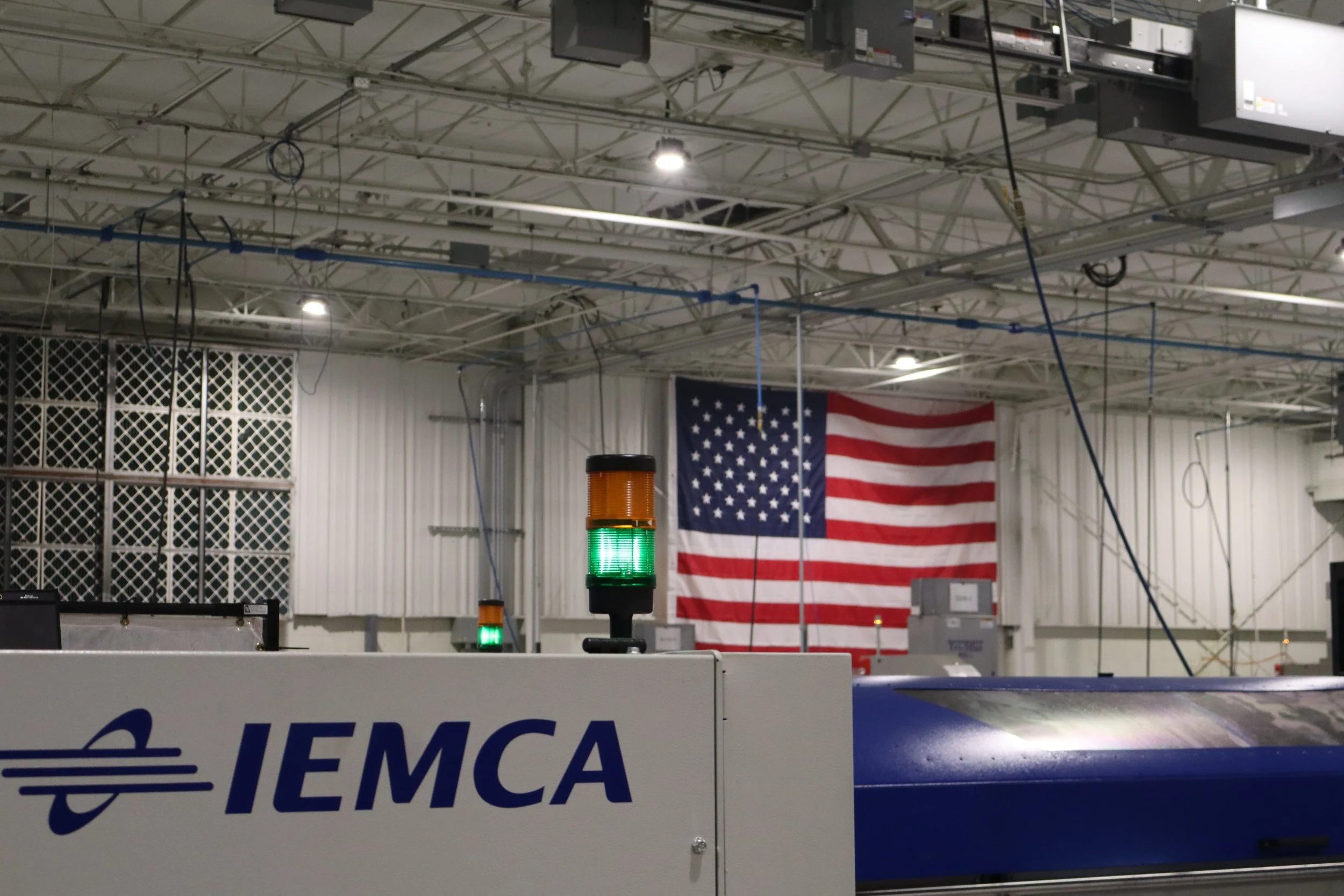
Today, we’ve moved toward a more integrated, team-based approach. We regularly bring engineers together to collaborate on challenges, especially for high-volume or complex components. These focused working sessions allow us to share expertise and solve problems more effectively.
This means:
Faster resolution of technical challenges
More innovative approaches to manufacturing
Greater knowledge-sharing across the team
When engineers collaborate instead of working independently, better ideas surface faster than ever before.
Cross-Functional Alignment Improves Execution
Engineering doesn’t operate in a vacuum. Our engineers work closely with both quality teams and machinists to ensure every process is practical, repeatable, and efficient.
The goal is to develop processes that:
Run smoothly in real production environments
Deliver consistent, high-quality parts
Are straightforward and efficient to inspect
This alignment ensures that what’s designed in engineering translates seamlessly to the shop floor and through quality validation.
DFM Expertise Adds Real Value
Design for manufacturability (DFM) is one of the most impactful ways our engineering team supports customers.
With experience across a wide range of complex components, our engineers understand not only how parts function, but how those requirements influence manufacturability.
That perspective allows us to provide valuable input early in the process, including:
Identifying features that may add unnecessary cost or complexity
Recommending tolerance adjustments where appropriate
Evaluating material or finishing options
Suggesting alternative approaches that improve efficiency
Often, small design changes can lead to meaningful improvements in cost and lead time, without affecting part functionality.
What This Means for Our Customers
Our collaborative and forward-thinking engineering approach translates into measurable benefits:
Faster time to market
Bringing multiple engineers into the problem-solving process accelerates decision-making and shortens development timelines.
Confidence in cost and process stability
Customers can trust that our processes are engineered for repeatability and efficiency, supporting consistent pricing and long-term scalability.
Proven quality and consistency
Our focus on process control and continuous improvement drives reliable outcomes, even for demanding aerospace and defense applications.
Solving complex challenges
We’ve successfully taken on projects that other suppliers struggled with, applying disciplined engineering and teamwork to deliver results.
Our Ultimate Goal: Superior Customer Outcomes
At Liberty Precision, engineering, quality, and production are all aligned around a single objective: delivering high-quality parts as efficiently and reliably as possible. That alignment is what allows us to evolve and consistently meet the demands of complex manufacturing environments.
If you’re looking for a manufacturing partner that brings collaboration and innovation to every project, we’d welcome the opportunity to support your next program.